“That’s what we do—we plant seeds in people’s livelihoods. And then you see what they do with it.”
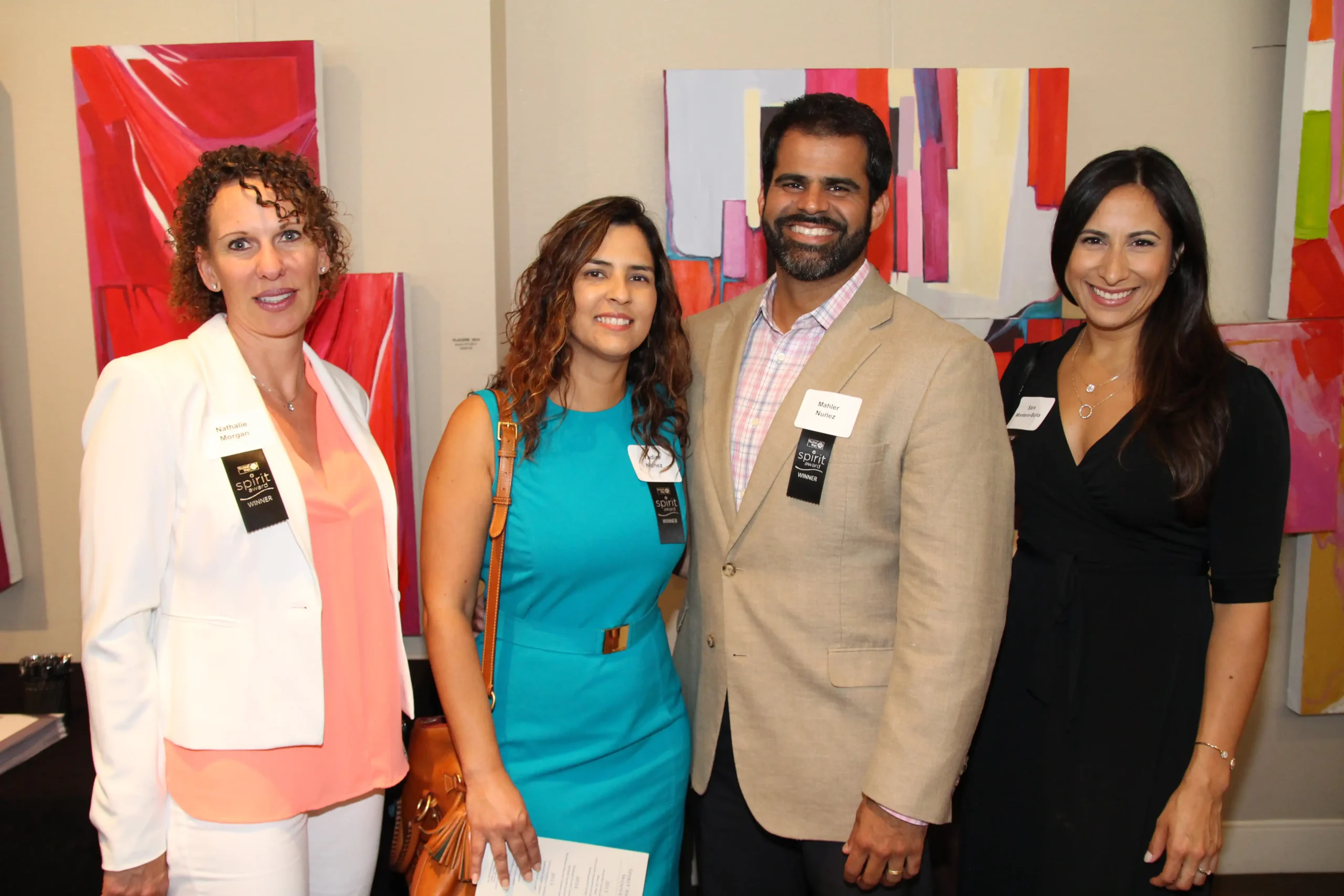
Mahler Nuñez didn’t set out to co-found a movement. He set out to help people file their taxes.
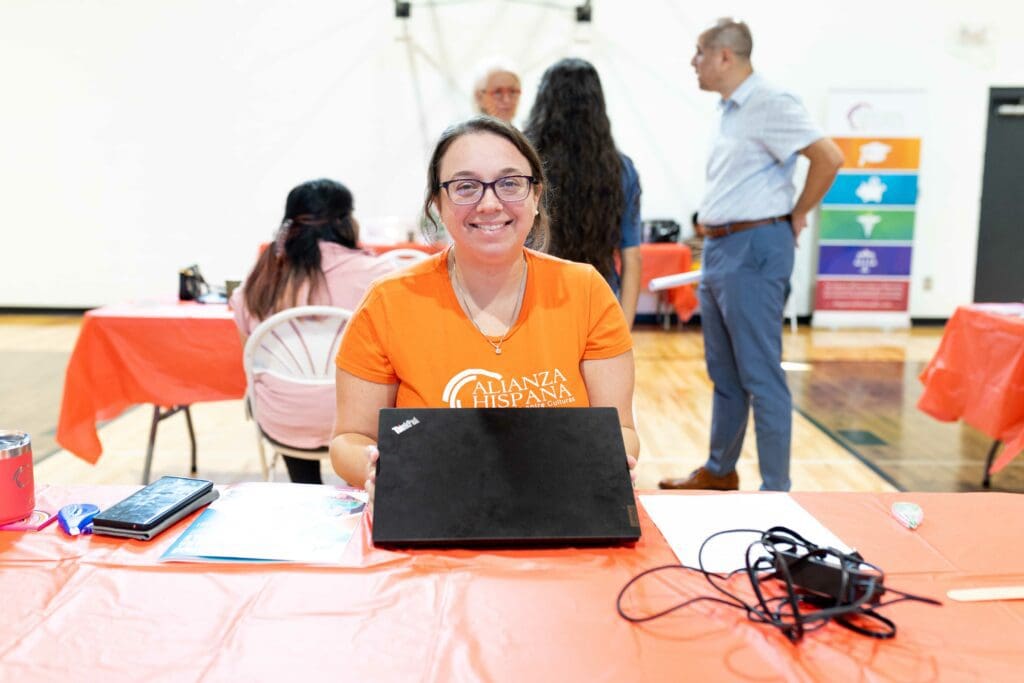
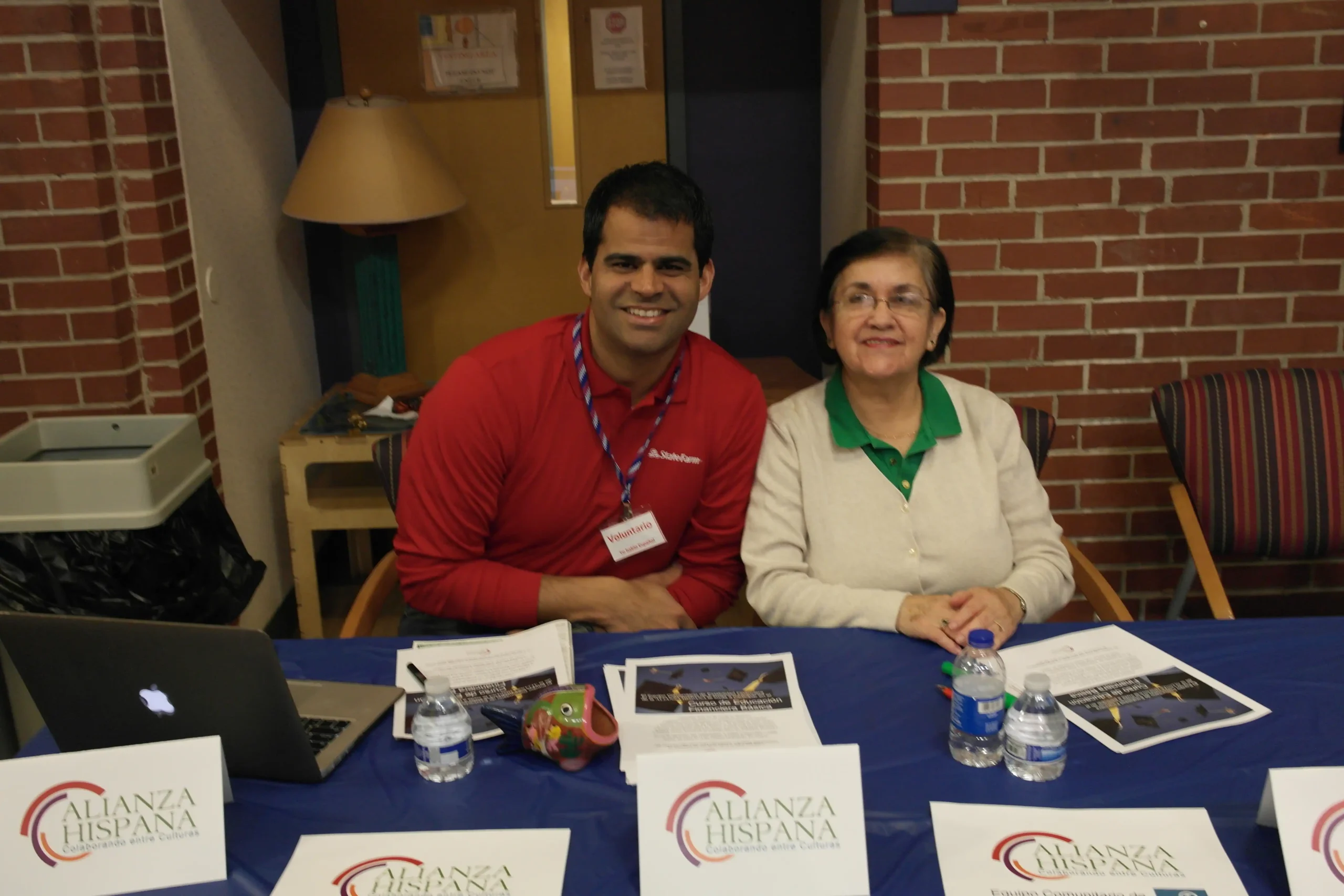
In the early days of Hispanic Alliance, Mahler and a small group of volunteers started running VITA (Volunteer Income Tax Assistance) sites at San Sebastian Church. They’d set up tables, walk families through tax forms, answer questions about credits and deductions. Simple stuff. Practical stuff.
But somewhere in those conversations—between W-2s and refund checks—something bigger was taking root.
“That’s really when my eyes got opened,” Mahler recalls.
From Dominican Republic to Greenville
Mahler came to Greenville from the Dominican Republic at 17 to attend college. Thirty-four years later, he’s still here—raising his family, running his State Farm agency since 2010, and showing up for the Hispanic community with the same steady presence he’s brought since day one.
“I fell in love with Greenville,” he says simply. And Greenville is better for it.
When HA’s Financial Stability program was just getting started, there was no blueprint. No guaranteed funding. No foolproof plan. Just a group of people who saw a need and said, “Let’s figure this out together.”
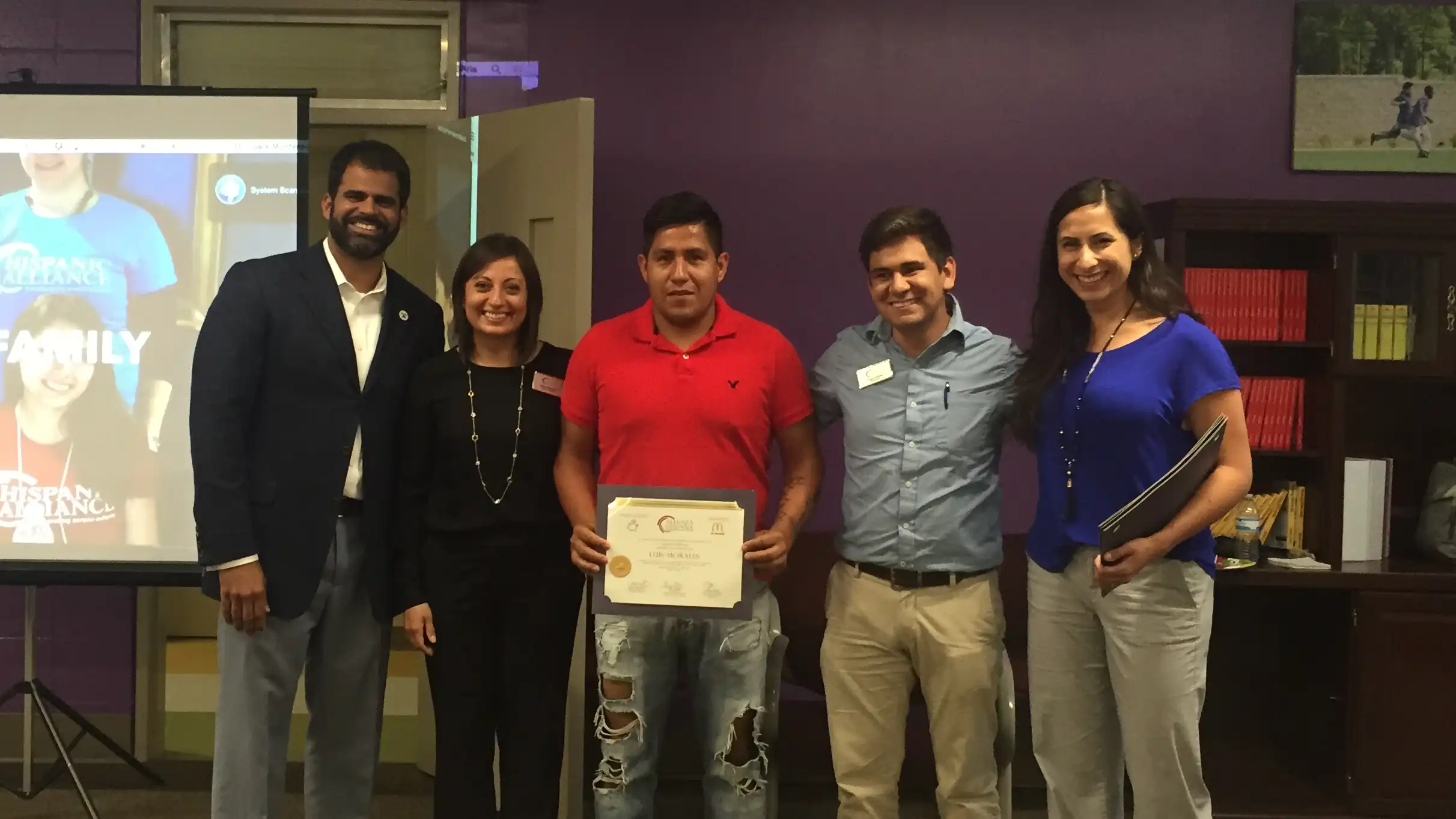
Mahler has been part of HA’s story ever since—serving on the Board of Directors, leading financial literacy workshops, mentoring families navigating credit and savings for the first time, and giving not just his time but his expertise and resources.
The Moment That Made It Real
Mahler remembers the conversation that crystallized why this work matters.
A young woman—first or second generation—came to one of the VITA sites with questions. Not just about her taxes, but about her future.
“She asked me a lot of great questions. ‘How’s this credit thing work? Walk me through it again. I wanna learn. What do I need to do to save money to go to college?'”
Mahler walked her through it. They talked about budgeting. Building credit. Setting financial goals. She listened. She took notes. She left with more than a tax refund—she left with a roadmap.
Years later, Mahler heard an update: She’d graduated high school. Earned an associate’s degree. Got her bachelor’s in business. And was working for the City of Greer.
“That to me was very impactful,” Mahler reflects. “That’s what we do—we plant a seed in that person’s livelihood. And look what she did with it.”
Bridging the Gap
For Mahler, HA’s greatest strength isn’t any single program—it’s the connections.
“Hispanic Alliance educates both sides of the spectrum: the families in our community, and the organizations that serve those families. The key word is ‘connect.’ They’ve bridged that gap.”
It’s not enough to offer services. You have to build trust. Speak the language—literally and culturally. Show up consistently. Meet people where they are. And then connect them to the resources, networks, and opportunities that can change the trajectory of their lives.
That’s what HA has done for 15 years. That’s what Mahler has helped build.
Keep Doing What You're Doing
When asked about HA’s future, Mahler’s advice is characteristically grounded:
“As long as they keep doing what they’re doing—helping those families and helping organizations connect with families—they’ll be exactly where they need to be.”
No grand speeches. No buzzwords. Just a steady belief in the power of showing up, planting seeds, and trusting the harvest will come.
Mahler’s story is a reminder that founders aren’t always the loudest voices in the room—sometimes they’re the steady ones. The ones who show up year after year. Who lead without needing credit. Who measure success not in headlines, but in the quiet transformation of a young woman who learned about credit at a VITA site and ended up working for her city government.
That’s servant leadership. That’s legacy. That’s what 15 years of Hispanic Alliance looks like—one seed planted at a time.